
The film industry offers multiple paths, but one of the biggest distinctions is between independent filmmakers and studio filmmakers. While both aim to tell compelling stories, their approaches, resources, and creative control differ significantly. Understanding these differences can help aspiring filmmakers choose the right path for their goals.
Creative Freedom vs Commercial Expectations
One of the most defining differences lies in creative control. Independent filmmakers typically enjoy full freedom over their projects. They can experiment with unique storytelling styles, unconventional narratives, and bold themes without interference.
In contrast, studio filmmakers often work under strict guidelines. Large production companies invest significant money, so they prioritize commercial success. This means scripts, casting, and even editing decisions may be influenced by producers, executives, or market trends.
Budget and Resources
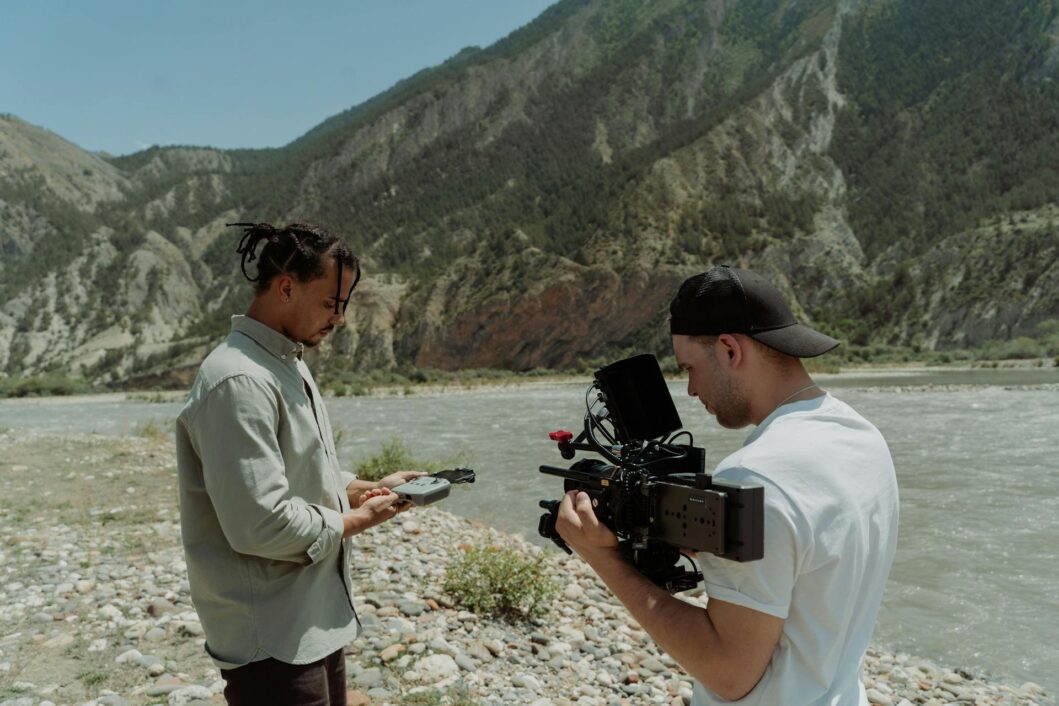
Budget is another major factor. Independent films are usually made with limited funds, sometimes even self-financed or crowdfunded. This forces indie filmmakers to be resourceful—using smaller crews, real locations, and minimal equipment.
Studio filmmakers, on the other hand, have access to large budgets. This allows for high-end cameras, professional sets, special effects, and big-name actors. However, bigger budgets also come with higher expectations and financial pressure.
Production Scale and Team Size
Independent productions are generally small-scale. A director might also act as a writer, producer, or editor. Teams are compact, and collaboration is often more personal and flexible.
Studio productions involve large teams with specialized roles. From cinematographers to production designers, each department has dedicated professionals. While this increases efficiency, it can reduce flexibility in decision-making.
Distribution and Reach
Getting the film to audiences is another key difference. Independent filmmakers often rely on film festivals, online platforms, or limited theatrical releases. Success may depend heavily on word-of-mouth and critical acclaim.
Studio films benefit from massive distribution networks. They are released globally with strong marketing campaigns, ensuring wider visibility and box office potential.
Risk and Innovation
Independent filmmaking is often associated with higher creative risk. Since there’s less financial pressure, indie filmmakers can explore niche topics and innovative storytelling techniques.
Studio films tend to be more risk-averse. They usually follow proven formulas or popular genres to ensure profitability, which can sometimes limit originality.
Which Path Should You Choose?
Choosing between independent and studio filmmaking depends on your priorities. If you value creative freedom and are willing to work with limited resources, independent filmmaking may be the right fit. If you prefer working on large-scale projects with significant budgets and global reach, studio filmmaking could be more suitable.
Final Thoughts
Both independent and studio filmmaking have their advantages and challenges. Neither is inherently better—it all comes down to your vision, resources, and career goals. Many successful filmmakers even transition between the two, combining creativity with commercial success over time.
About the Author
