
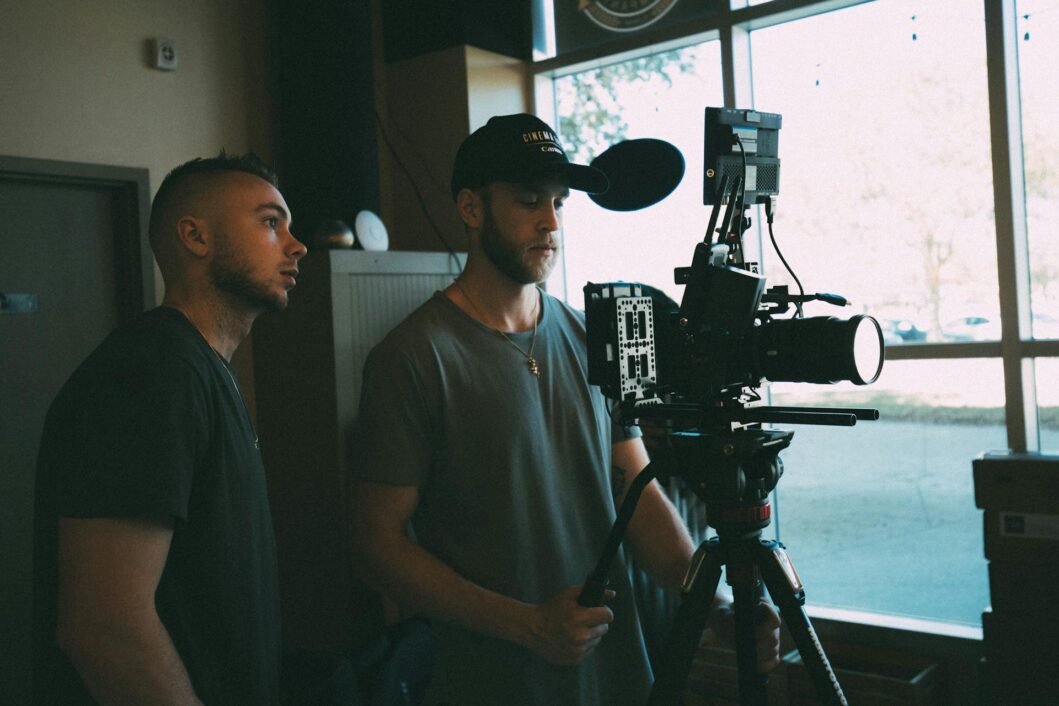
Stepping into the director’s chair for the first time is exciting—but it can also be overwhelming. Many first-time directors enter filmmaking with passion and creativity, yet end up making avoidable mistakes that impact the final product. Understanding these common pitfalls can help you navigate your first project with confidence.
Lack of Clear Vision
One of the biggest mistakes new directors make is starting without a clear vision. A film needs a consistent tone, style, and message. Without this, scenes may feel disconnected, and the story can lose its impact.
How to avoid it:
Spend time developing your vision before shooting. Create mood boards, shot lists, and references. Make sure you understand exactly how you want the film to look and feel.
Ignoring the Importance of Pre-Production
Many beginners rush into filming without proper planning. Skipping or underestimating pre-production often leads to confusion, delays, and unnecessary costs during shooting.
How to avoid it:
Plan everything in advance—locations, schedules, casting, props, and equipment. A well-organized pre-production phase will save time and reduce stress on set.
Poor Communication with Cast and Crew
A director’s job is not just creative—it’s also about leadership. First-time directors often struggle to communicate their ideas clearly, leading to misunderstandings and inconsistent performances.
How to avoid it:
Be clear, respectful, and collaborative. Explain your expectations, listen to feedback, and build a positive environment where everyone feels valued.
Overcomplicating Shots
New directors sometimes try to prove themselves by using complex camera movements or fancy techniques. This can distract from the story and make scenes harder to execute.
How to avoid it:
Focus on storytelling first. Simple, well-executed shots are often more effective than complicated ones. Let the story guide your visual choices.
Poor Time Management
Running out of time is a common issue on set. First-time directors often underestimate how long scenes take to shoot, leading to rushed work or unfinished scenes.
How to avoid it:
Create a realistic shooting schedule and stick to it. Prioritize important scenes and always have a backup plan in case things don’t go as expected.
Neglecting Post-Production
Some directors believe the job is done once filming ends, but post-production is just as important. Poor editing, sound design, or color grading can ruin an otherwise good film.
How to avoid it:
Stay involved in editing and post-production decisions. Pay attention to details like sound quality, pacing, and visual consistency.
Trying to Do Everything Alone
First-time directors often try to control every aspect of the film, which can lead to burnout and poor results.
How to avoid it:
Trust your team. Delegate tasks to skilled crew members and focus on your role as a director.
Final Thoughts
Making mistakes is part of the learning process, especially in filmmaking. The key is to be aware of these common issues and actively work to avoid them. With proper planning, clear communication, and a focus on storytelling, first-time directors can create impactful films and build a strong foundation for their careers.
About the Author
