
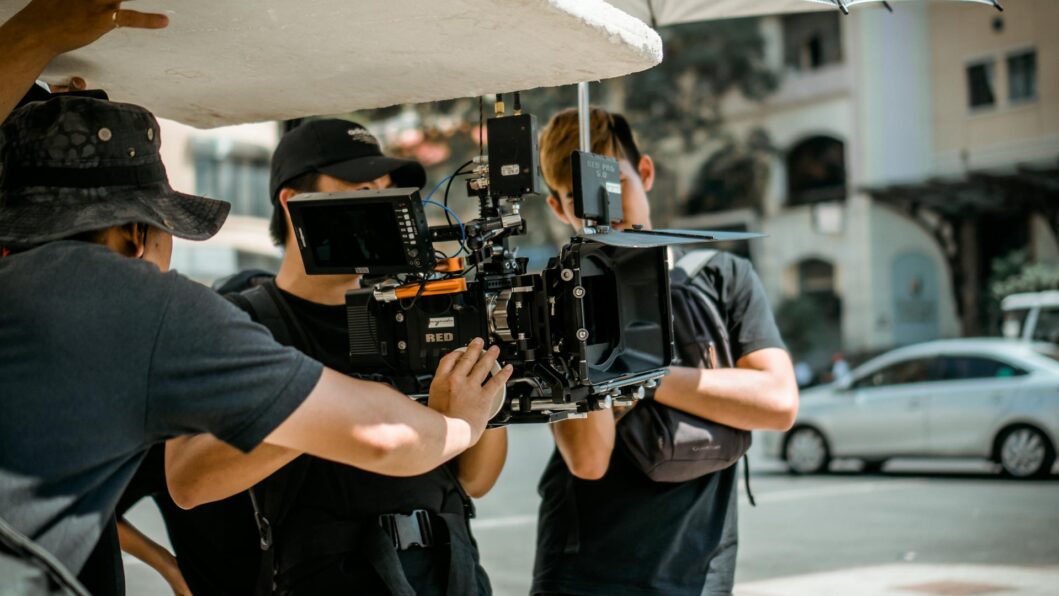
The entertainment industry is experiencing one of the most significant transformations in its history. Advances in digital tools, software, and online platforms are reshaping how music and films are created, produced, and shared. What once required large studios, expensive equipment, and long production cycles can now be achieved with compact devices and cloud-based systems. This technological shift is not only improving efficiency but also empowering independent creators to compete on a global scale.
Digital Tools Are Redefining Creativity
Modern production no longer depends solely on physical studios. Musicians and filmmakers now use digital audio workstations, virtual instruments, and advanced editing software to create professional-quality work from almost anywhere. High-resolution cameras, smartphone filmmaking apps, and visual effects software allow creators to experiment with styles that were previously limited to major studios. These tools remove technical barriers and open the door for new voices to enter the industry.
Artificial Intelligence and Automation in Production
Artificial intelligence is changing how creative work is developed. In music, AI can assist with sound design, mastering, and even melody suggestions. In film, it is used for script analysis, visual effects, color grading, and post-production enhancements. Automation reduces repetitive tasks, allowing artists to focus more on storytelling and creative decisions. This results in faster production timelines and more consistent quality.
Cloud Collaboration and Remote Workflows
Technology has also transformed how teams work together. Cloud-based platforms allow musicians, editors, and directors to collaborate in real time, even if they are in different parts of the world. Files can be shared instantly, revisions tracked, and projects updated without physical meetings. This global connectivity makes production more flexible and reduces costs, while also giving access to a wider talent pool.
New Funding and Distribution Models
Traditional funding methods are no longer the only option. Crowdfunding platforms and digital sponsorship tools now help artists raise money directly from fans and supporters. At the same time, streaming services, social media, and online marketplaces provide instant global distribution. Artists no longer need major labels or studios to reach large audiences, making the industry more accessible and competitive.
Data-Driven Creative Decisions
Analytics and audience data play an important role in modern production. Platforms provide insights into listener and viewer preferences, helping creators understand what resonates with their audiences. This data can guide marketing strategies, release schedules, and even creative direction, allowing for more targeted and successful projects.
A Future Shaped by Innovation
Technology is no longer just a support system for music and film—it is now a driving force behind the entire creative process. As tools continue to evolve, artists will gain even greater freedom, efficiency, and global reach. The future of entertainment will be shaped by those who embrace innovation and use technology to tell powerful, meaningful stories in new ways.
About the Author
